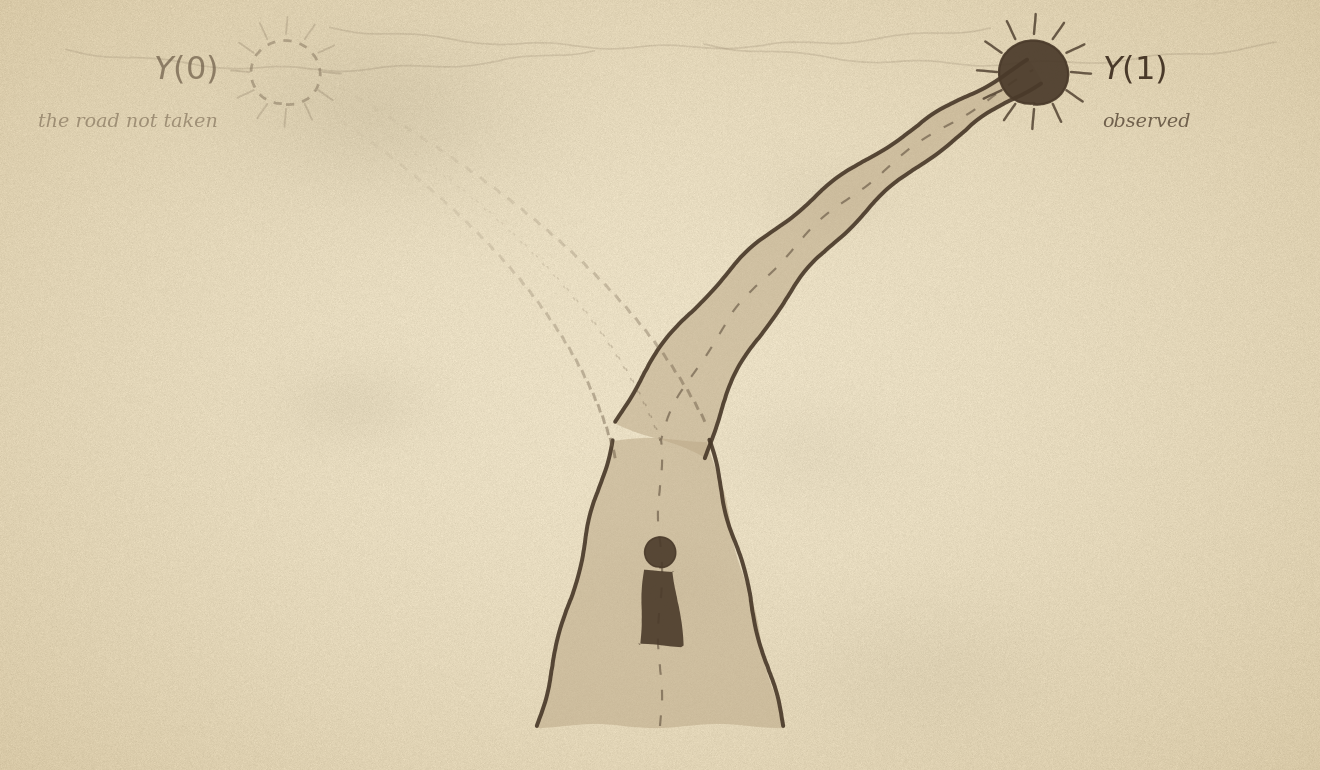
If we only ever see one branch of history, how can economics speak about what would have happened otherwise?
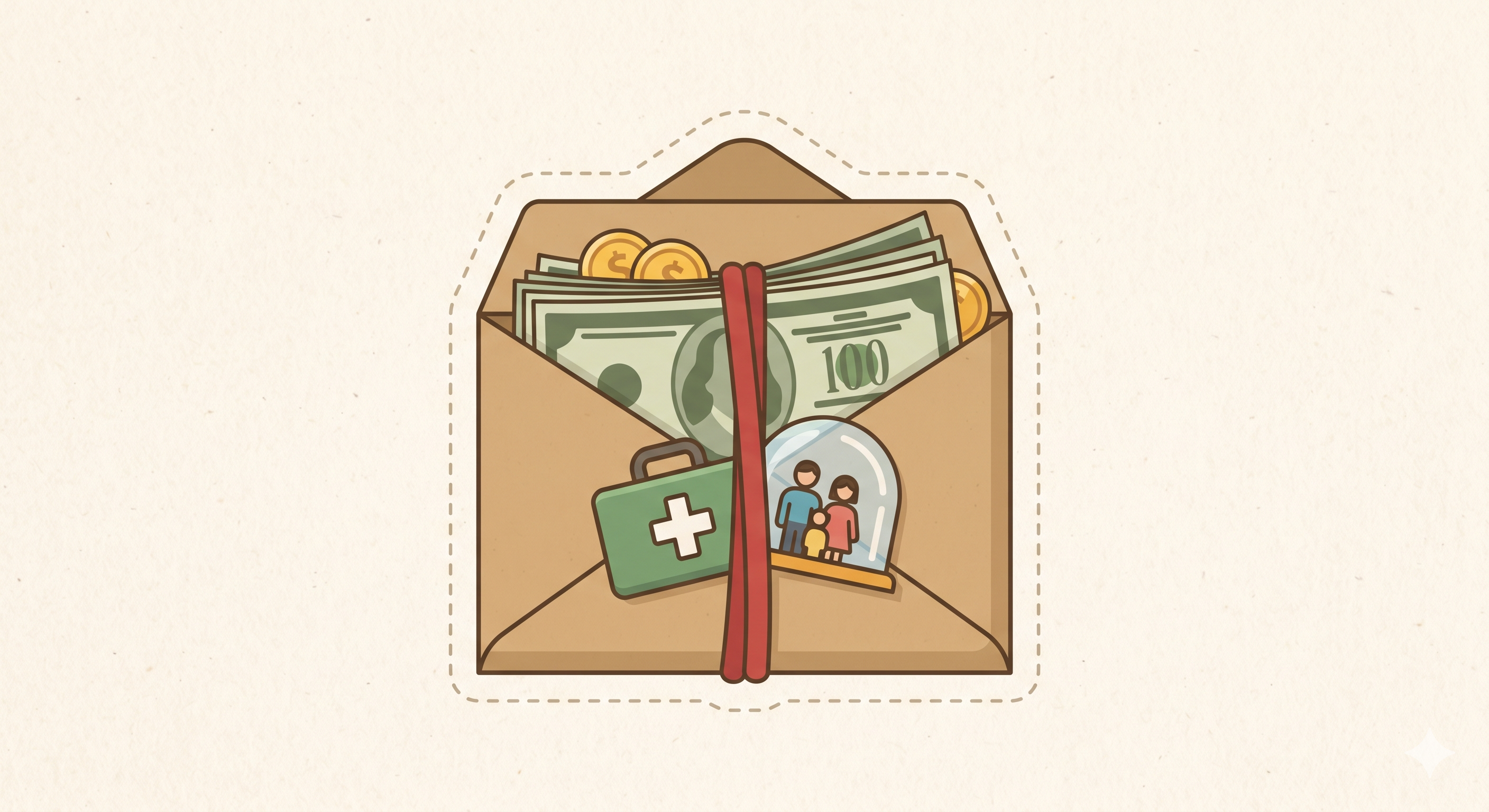
When a job comes with health insurance, the wage stops meaning what we think it means. The synthesis.
How do you measure the jobs people would have taken but did not? Natural experiments offer a way.
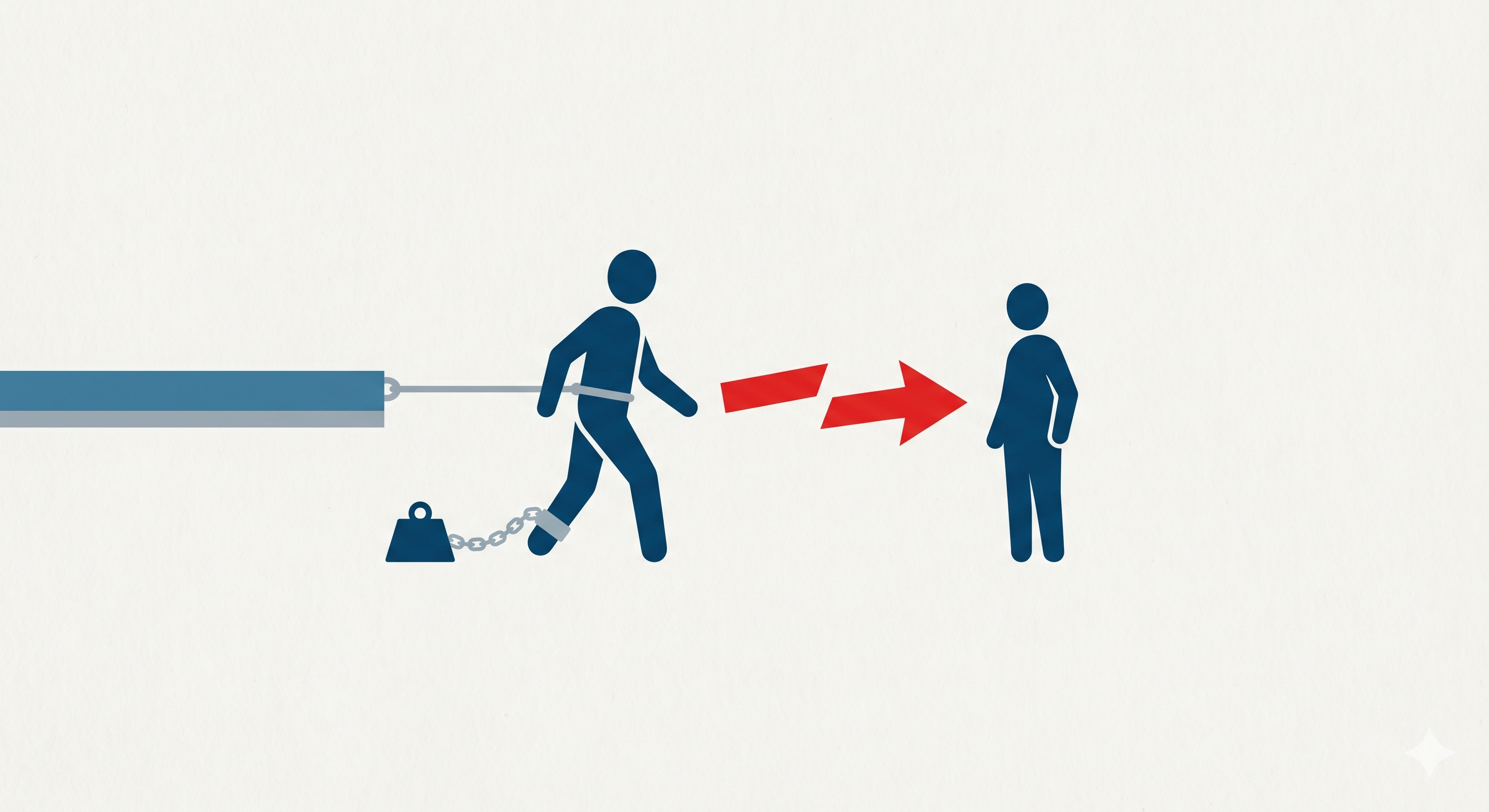
If quitting means losing your health plan, leaving the job gets very expensive.
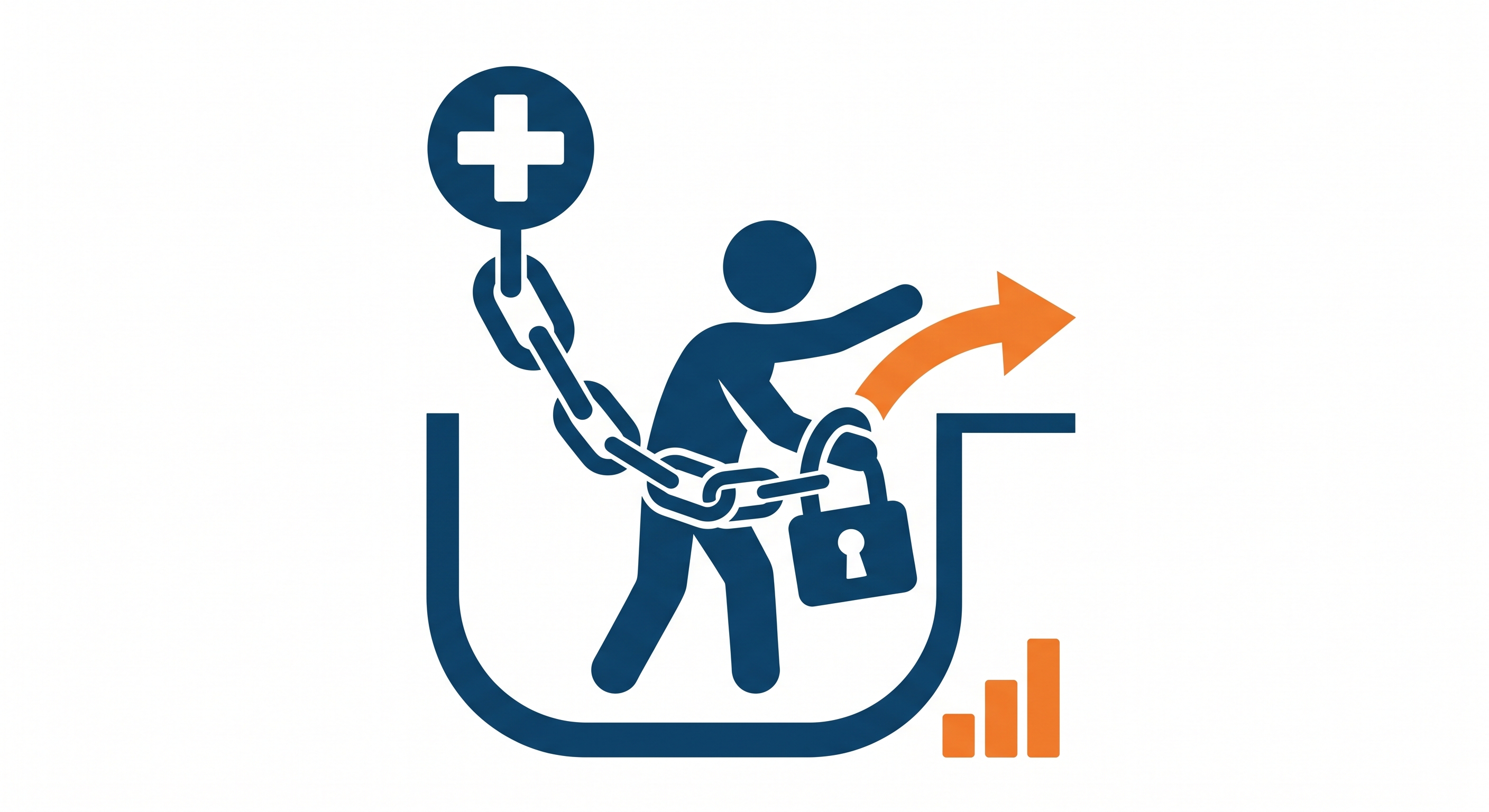
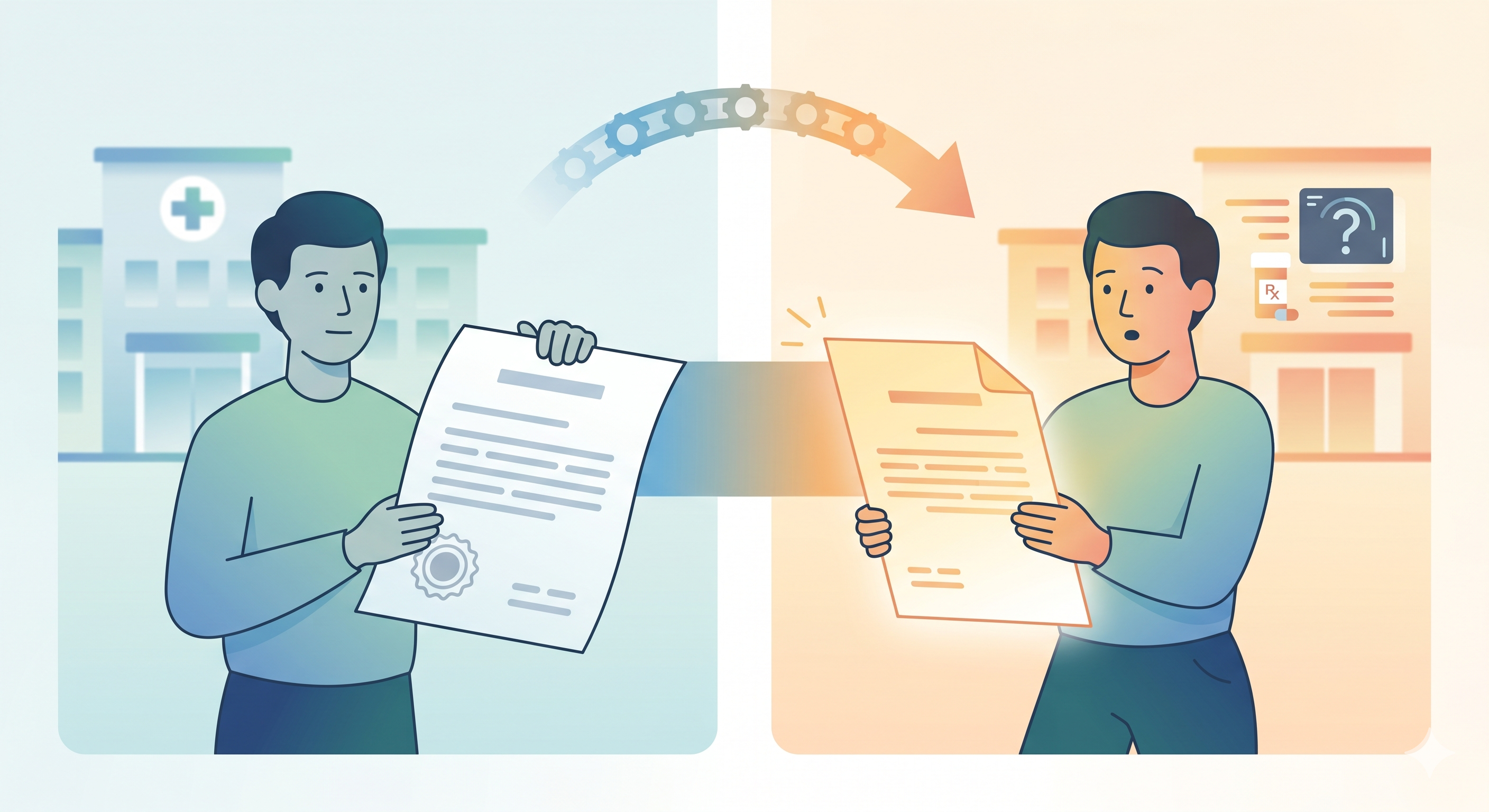
Why health insurance in America is tied to your employer, and what that costs you.
Insurance changes how people use care. How much should the patient still pay out of pocket?
Why raising the price of insurance makes it more expensive to provide.
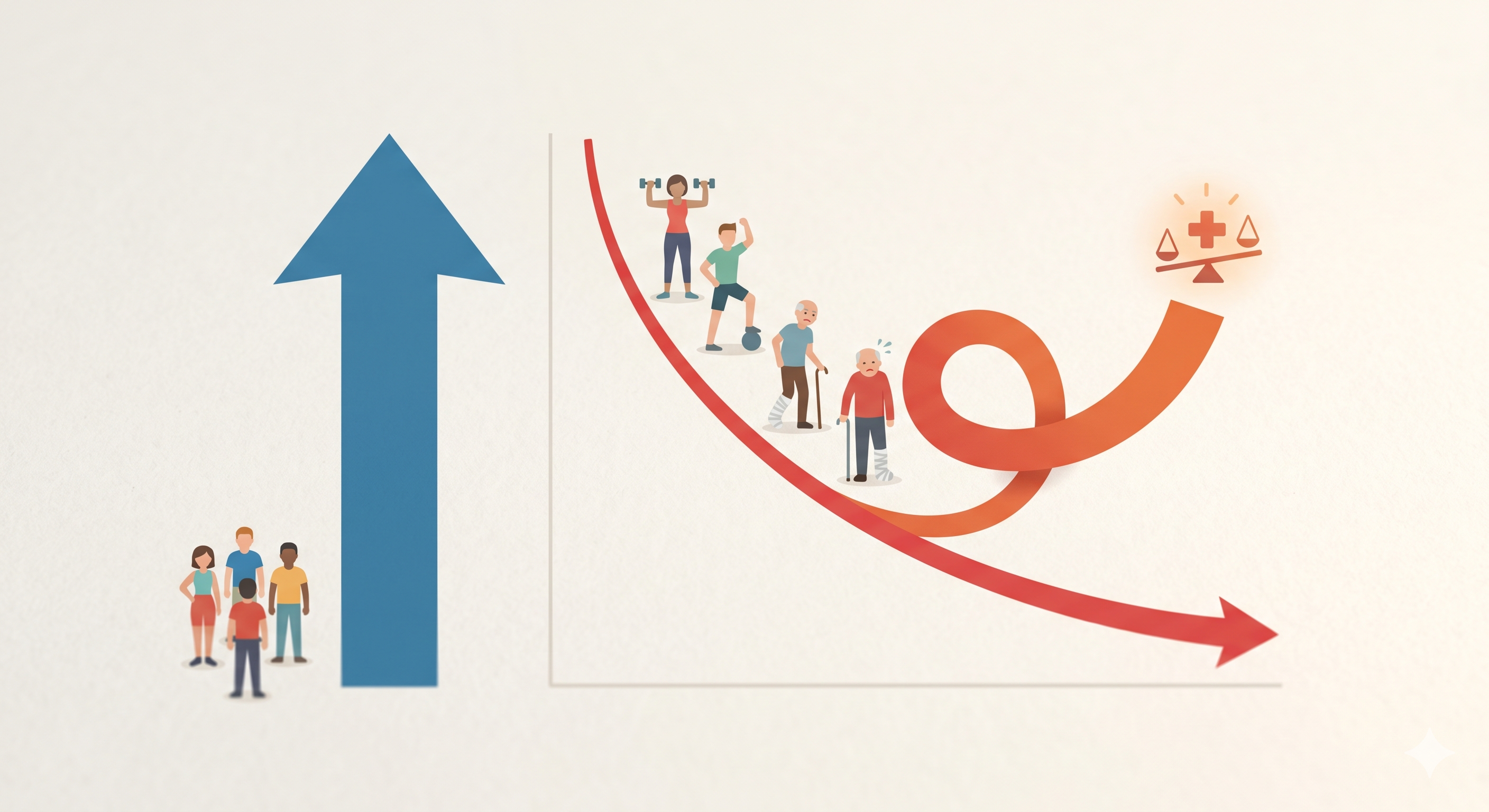
When you know your own health better than the insurer does, the market can fall apart.
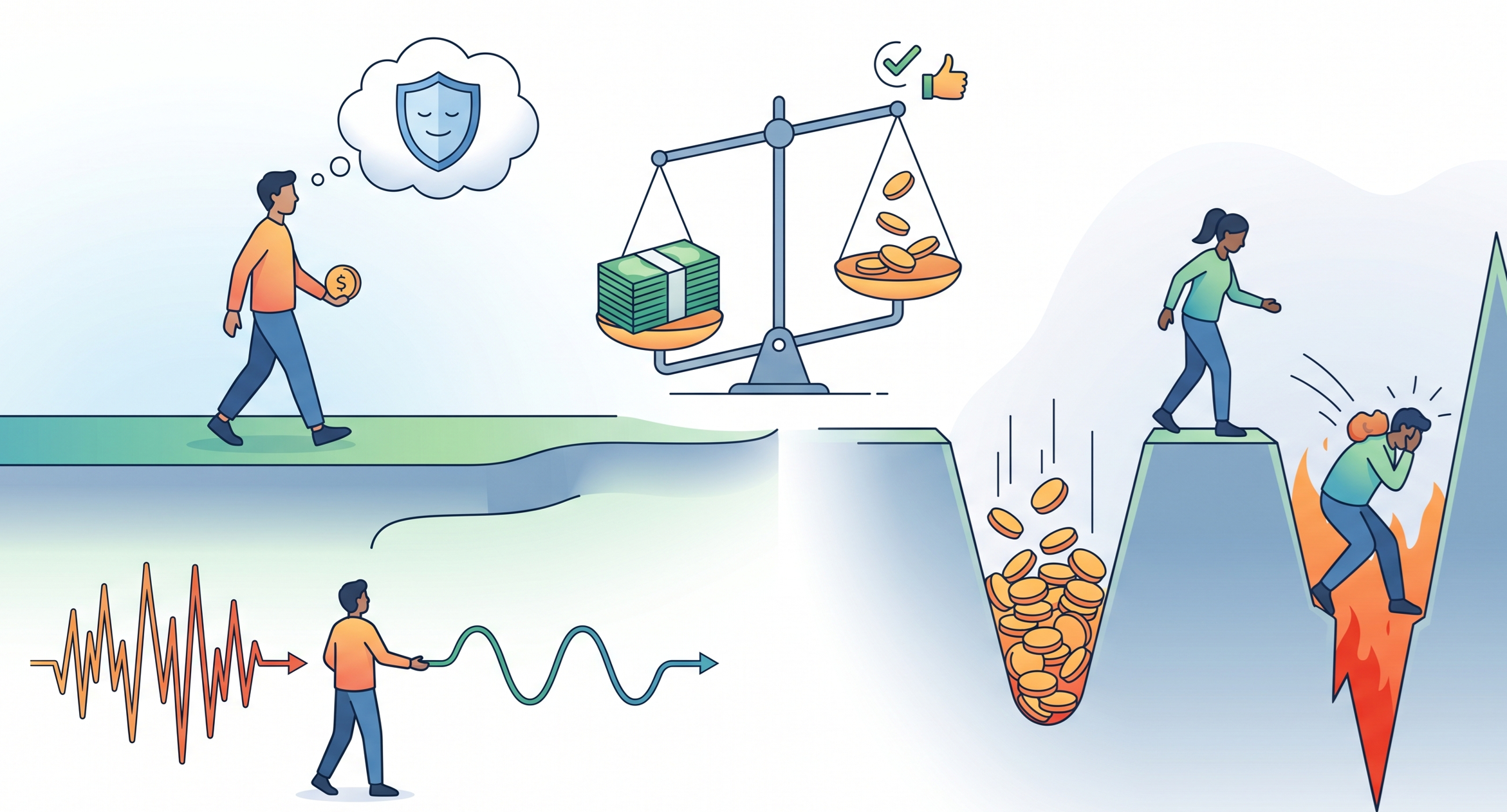
Most people pay more for insurance than they expect to lose. Why that is perfectly rational?
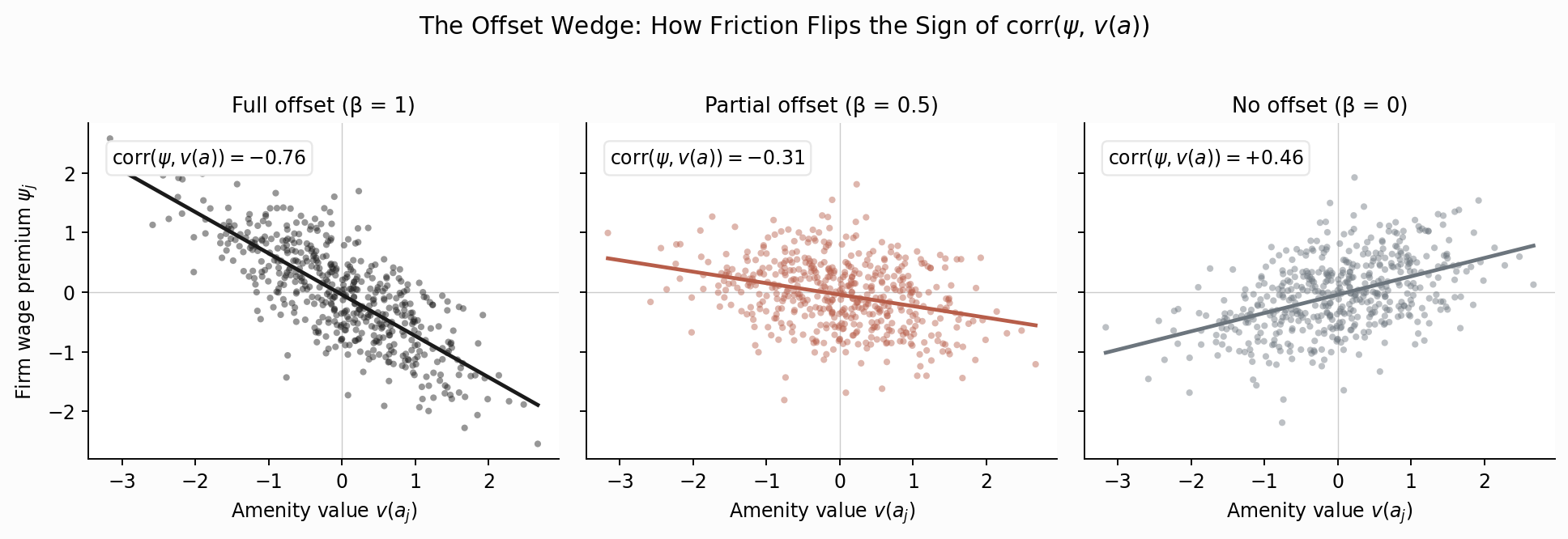
Three things shape what a firm actually pays you, and only one of them shows up as cash.
If economics cannot secure certainty, can it earn credibility by putting its claims at risk?
How did economists transform the positivist ideal into a disciplined empirical craft?
What counts as scientific knowledge?
Why do wages grow, and how do workers climb the job ladder?
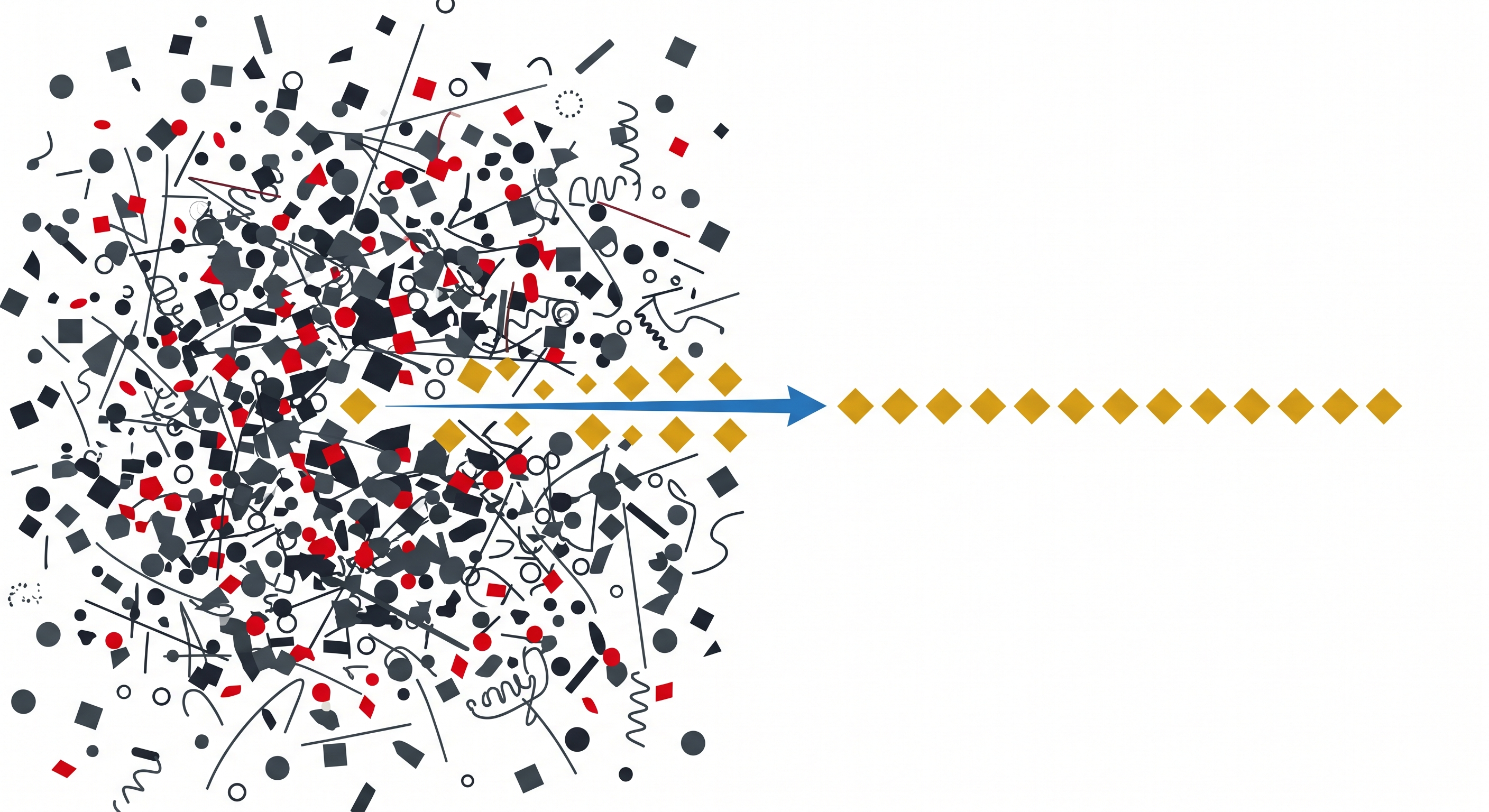
How can we measure sorting when theory tells us wages are complex and data is messy?
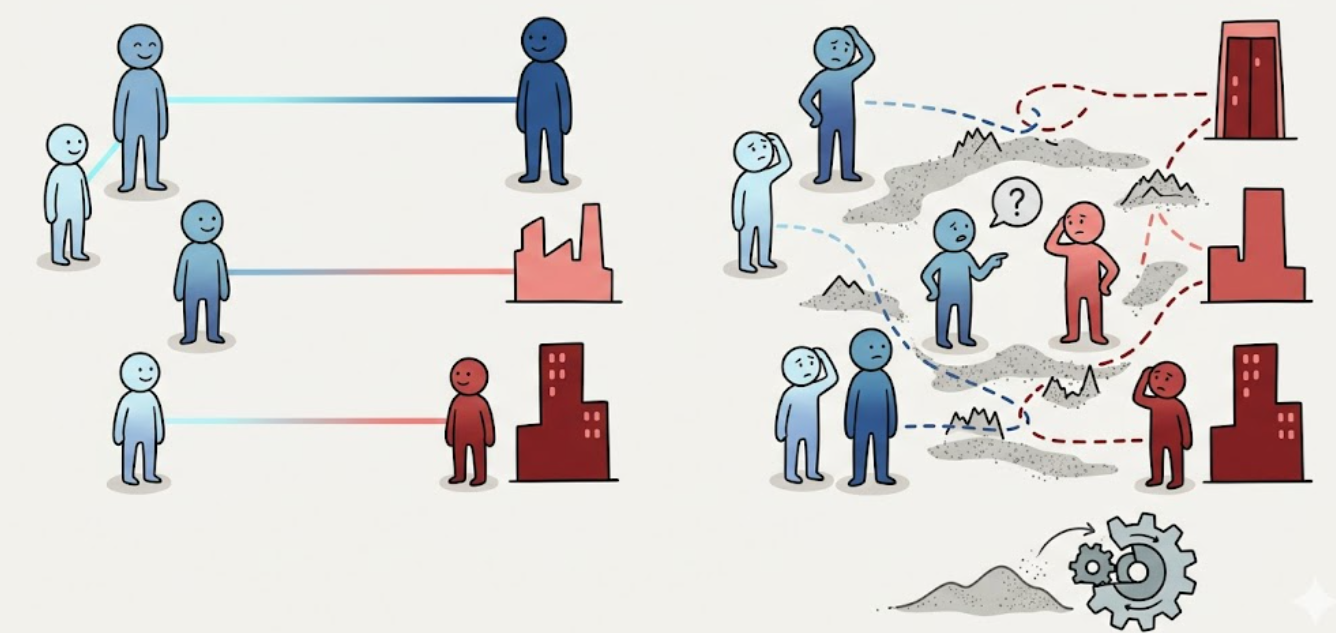
What happens when finding the perfect match isn’t free?
The best workers often land at the best firms. But why?
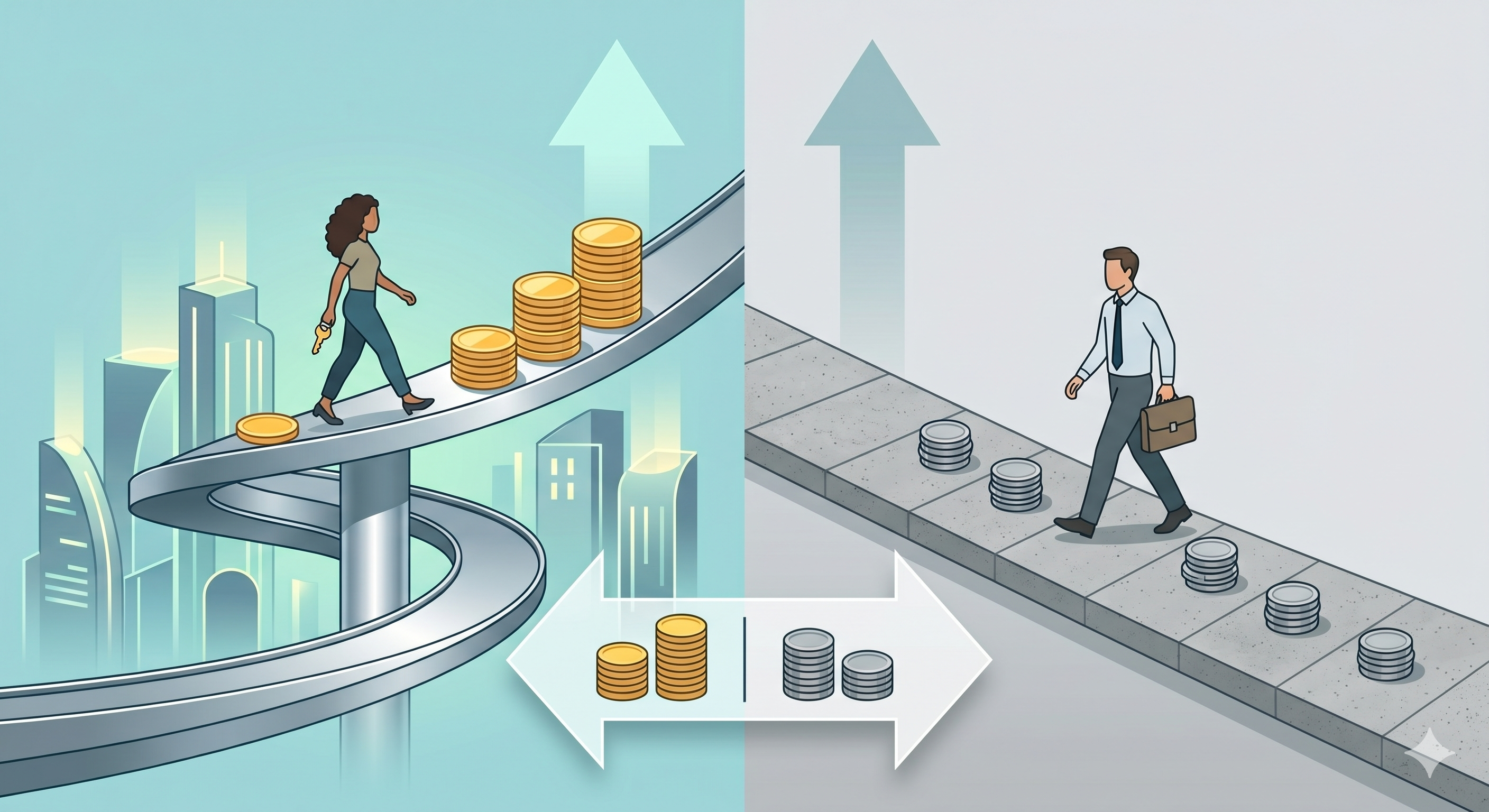
Have you ever wondered what truly determines your salary? Is it your unique talent and drive, or is it the company you work for?